
by Chiara De Angelis | Jun 8, 2018
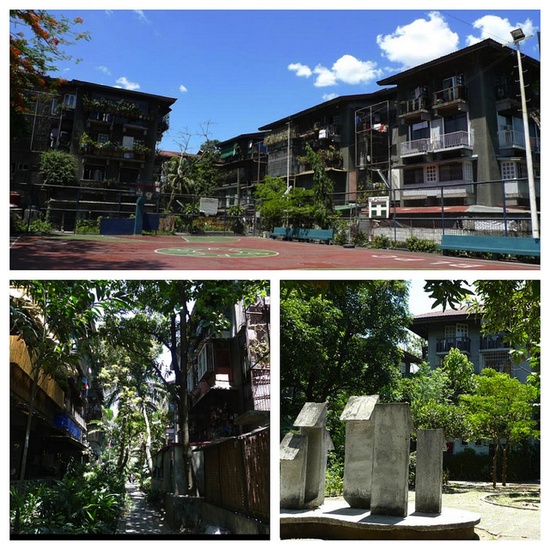
Credits: Image from https://www.indiegogo.com/projects/urban-gardening-project-blpc-community-manila-philippines#/
| Country |
Philippines |
| City |
Manila |
| Name |
BLPC Urban Farm |
| Date |
2014 |
| Object |
The Urban Gardening Project in Bagong Lipunan Pag-asa Condominium Community (BLPC Community) of Manila, Philippines is an initiative to transform unused urban land into a thriving urban farm and community space in Metro-Manila, Philippines.
The BLPC is a tight-knit community of 1,600 souls in some 500 plus apartments of four-story walk-up units, situated minutes away (by foot) from North EDSA SM-Shopping Mall, Trinoma, and the neighbouring rapid transit (MRT) station, in Quezon City, Metro-Manila. Built by the National Housing Authority (NHA) in the late 1970s, on what was then the edge of the city, the apartments have meanwhile been sold with just 30% still rented and it is now rather poorly maintained but has many mature trees – especially mangos.
The project intends to promote the growing of food crops on some 5,000 ft2 of underused parts of BLPC and in small gardens and on balconies to develop an exemplary urban farm and community open space. It is intended to grow fruit and vegetables organically and in time maybe even house livestock. This should demonstrate the possibilities to grow food in a densely urbanized area with limited resources and thence to inspire others to start growing (some of) their own food in the underutilized urban spaces, on balconies and roofs.
The rationale for the project is based on the premise that environment and community issues are closely interlinked and that one can be tackled with the aid of the other.
The aims of the Urban Farm are as follows:
- grow organic fruit, herbs and vegetables;
- compost kitchen waste;
- sell produce through a community grocery store or create a community farmers market or CSA initiative;
- host workshops to educate and expose city dwellers to the possibilities of urban farming and to train ‘urban farmers’;
- host workshops for street children in order to provide farming and business skills training and hire these to carry out some tasks;
- research, design and develop best practices for farming under the conditions of the site;
- serve as an outdoor community and activity space (such as yoga and dance classes) for building residents, street children and the neighbourhood as a whole;
- establish working arrangements between the land and building owners and their Association (BLPC), the street children as urban farm workers, managers, and food consumers, commercial marketing of the produce, and TCIP and the street children NGOs who will guide the project.
|
| Urban Co-Governance |
Strong |
| Enabling State |
Weak |
| Pooling |
Moderate |
| Experimentalism |
Strong |
| Tech Justice |
Weak |
| Project Website |
http://www.transitionph.org/urban-transition-metro-manila/ |
| References, sources, contact person(s) |
website
Contact : info@transitionph.org |
manila

by Chiara De Angelis | Jun 8, 2018
| Country |
India |
| City |
Bangalore |
| Name |
Janaagraha Centre for Citizenship and Democracy |
| Date |
2001 |
| Description |
Janaagraha Centre for Citizenship and Democracy is a non-profit organisation based in Bangalore, India. They aim to improve quality of life in urban India, through systemic change. Janaagraha sees ‘quality of life’ as comprising two distinct, but interrelated aspects – ‘quality of urban infrastructure and services’ (the quality of urban amenities such as roads, drains, traffic, transport, water supply etc.) and ‘quality of citizenship’ (the role that urban citizens play by participating in their local communities). They work with both citizens and government to catalyse civic participation from the grassroots up, as well as governance reforms from the top down.
Founded in 2001 by Ramesh Ramanathan and Swati Ramanathan, Janaagraha started as a movement to enable citizen participation in public governance.It has now evolved into a robust institution for Citizenship and Democracy. |
| Urban Co-Governance |
Moderate |
| Enabling State |
Moderate |
| Pooling |
Moderate |
| Experimentalism |
Strong |
| Tech Justice |
Strong |
| Project Website |
http://www.janaagraha.org |
| References, sources, contact person(s) |
Questionnaire, Website (http://www.janaagraha.org)
Facebook page : Janaagraha Centre for Citizenship and Democracy | Facebook
Contact : janaagraha@gmail.com |

OLYMPUS DIGITAL CAMERA

by Sofia Mazzuco | Jun 8, 2018
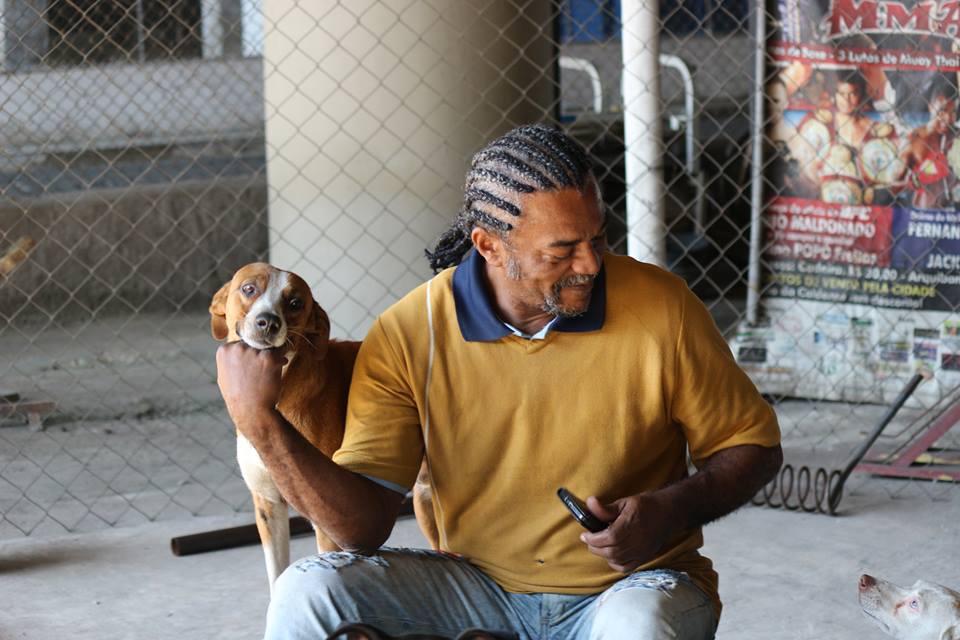
Image source: Deka Carvalho
Viaduto Alcântara Machado, São Paulo

by Chiara De Angelis | Jun 8, 2018
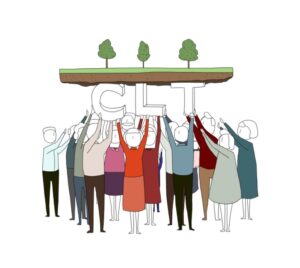
Image sources : © CLT Brussel
| Country |
Belgium |
| City |
Ghent |
| Name |
Community Land Trust |
| Year of beginning |
|
| Description |
The ownership of the land is separated from the ownership of the home. The resident purchases only the home; the land remains the property of the organization. The residents do not own the land on which their home sits. As a result, CLT homes are also affordable for people with lower incomes. |
| Urban Co-Governance |
Moderate |
| Enabling State |
Moderate |
| Pooling |
Weak |
| Experimentalism |
Strong |
| Tech Justice |
Moderate |
| Website |
http://cltgent.be/ |
| References, sources, contact person(s) |
Website ; https://stad.gent/wonen-verbouwen/alternatieve-woonvormen/community-land-trust
Contact : info@cltgent.be |
gent

by Chiara De Angelis | Jun 8, 2018
 Image source : https://www.edinburgh.gov.uk
| Country |
Scotland |
| City |
Edinburgh |
| Name |
Cooperative Capital |
| Date |
2010 |
| Description |
The Council wants more people to set up coops and other social enterprises, because they give local people more of a say and they can help to make communities stronger and better off.
The Co-operative Councils’ Innovation Network is a collaboration between local authorities committed to transforming the way they work with communities. |
| Urban Co-Governance |
Moderate |
| Enabling State |
Strong |
| Pooling |
Moderate |
| Experimentalism |
Moderate |
| Tech Justice |
Weak |
| Website |
https://www.councils.coop/case-study/edinburgh-towards-a-cooperative-capital/
and the city of Edinburgh : https://www.edinburgh.gov.uk/ |
| References, sources, contact person(s) |
Website; Questionnaire ;
Contact : graeme.mckechnie@edinburgh.gov.uk |
Edinburgh
